Anthropic did not sign the industry letter defending open-weight models, but that does not mean it is asking for them to be banned. On July 27, Dario Amodei issued a direct clarification: the company has never advocated a categorical ban on open-weight models and regards models without dangerous capabilities as a public good.
The clarification matters because the debate had collapsed two different positions into a simple “open versus closed” divide. Anthropic’s actual position is narrower. It accepts the benefits of access, competition and user control, while arguing that highly capable systems should pass safety tests even when their weights can be downloaded.
The letter Anthropic did not sign
The letter is titled “Open Weights and American AI Leadership” and was published on July 24. It asks Washington to avoid premature restrictions on downloadable models and argues that openness can strengthen competition, technological sovereignty and defensive capabilities.
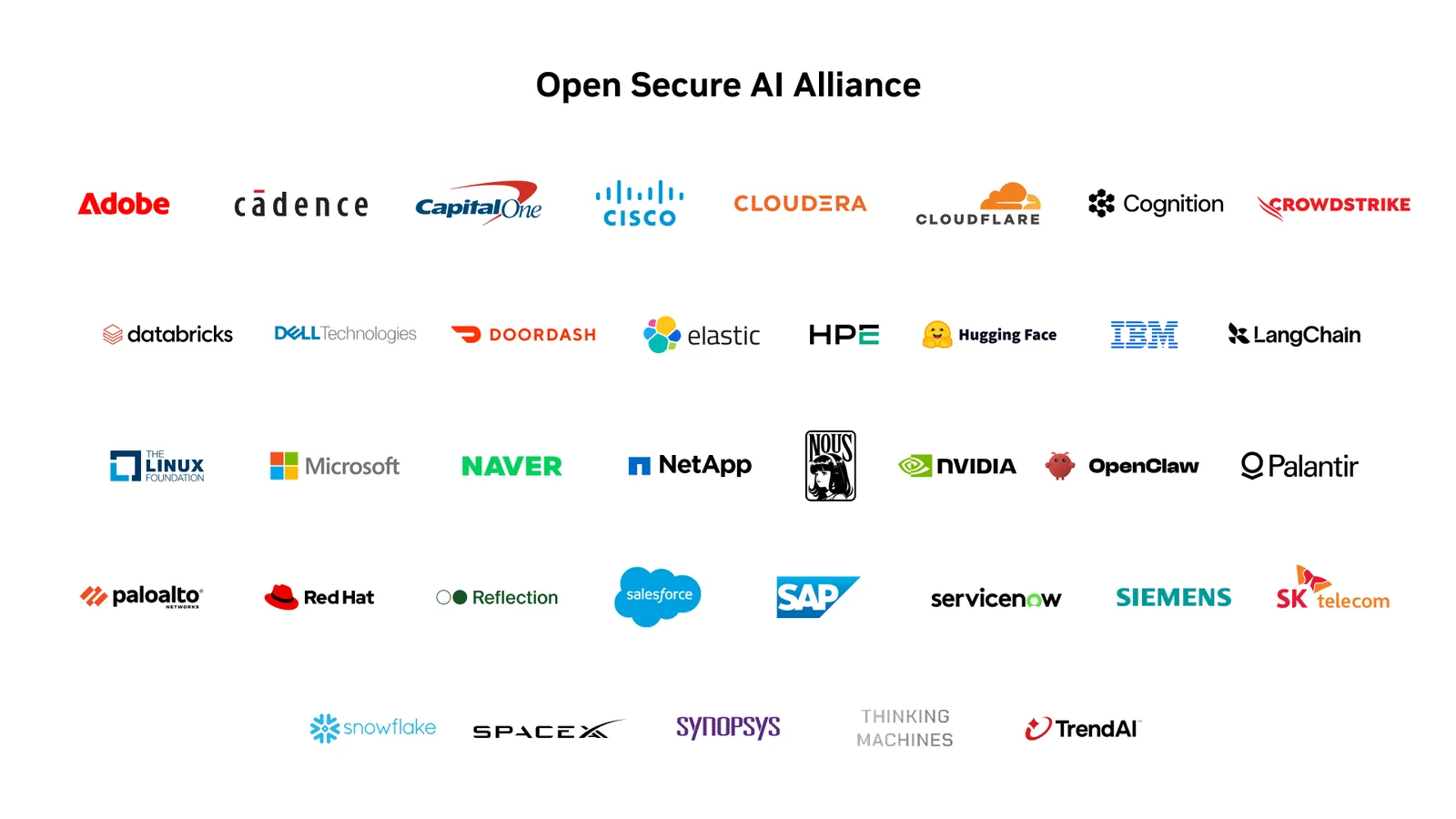
The signatory list expanded after publication. Microsoft, Nvidia, Meta, IBM, Hugging Face and dozens of other organizations are listed; Google and OpenAI joined over the weekend. Anthropic was still absent when Amodei published his response.
The three measures Anthropic does support
- Keep advanced chips and chipmaking equipment out of the hands of authoritarian governments, while also targeting smuggling.
- Act against industrial-scale distillation operations that use the outputs of more advanced systems to train other models.
- Require sufficiently capable models, open or closed, to undergo testing for cyber, biological and alignment risks before release.
Amodei also separates a model’s country of origin from its distribution model. In his view, preventing a legitimate US company from using a Chinese model would not stop a malicious actor from running it beyond US jurisdiction. He therefore wants policy aimed at capability and strategic chokepoints, not at a commercial label.
Why it matters
If this distinction shapes regulation, a startup or academic lab could publish a small model without facing the same regime as a frontier system. At the same time, any open or closed model that reaches sensitive capability thresholds would need to provide safety evidence before release.
The remaining disagreement is empirical. Nvidia and the letter’s signatories argue that open access improves defence by enabling inspection and adaptation. Anthropic says the balance may favour attackers in areas such as biology. Both claims require evidence rather than slogans.
Capability-based rules
A local model used to summarize documents would not be treated like a system able to design biological attacks or autonomously exploit vulnerabilities. Obligations would increase when evaluations demonstrate dangerous capabilities, regardless of whether the weights are public.
What is known — and what is not
Amodei’s words, Anthropic’s three preferred measures and the company’s absence from the letter are all confirmed. Anthropic has not, however, published a complete legislative design explaining who would set the thresholds, how global tests would work or what would happen if a country refused to participate.
VERIFICATION SOURCEDario Amodei’s full statement at Anthropic ↗VERIFICATION SOURCEIndustry letter and updated signatory list ↗VERIFICATION SOURCEAxios verification and context ↗Does Anthropic want all open models banned?
No. Amodei wrote that Anthropic has not advocated a categorical ban and called models without dangerous capabilities a public good.
Why did Anthropic decline to sign the letter?
It disagrees with some of the letter’s safety conclusions, especially the idea that openness necessarily benefits defenders more than attackers.
Would testing apply only to open-weight models?
No. Amodei’s proposal covers all sufficiently capable models, whether open or closed.
Verified sources and original reporting.
Nexus AI wrote and contextualized this article using Anthropic, industry letter and Axios · Jul 27, 2026. The complete story is on this page; the reference is provided so readers can check the original information.
Check the main source ↗